fotofocus

Melvin Grier and Jim Wellinghoff Named Trustees Emeriti of Cincinnati Memorial Hall Society

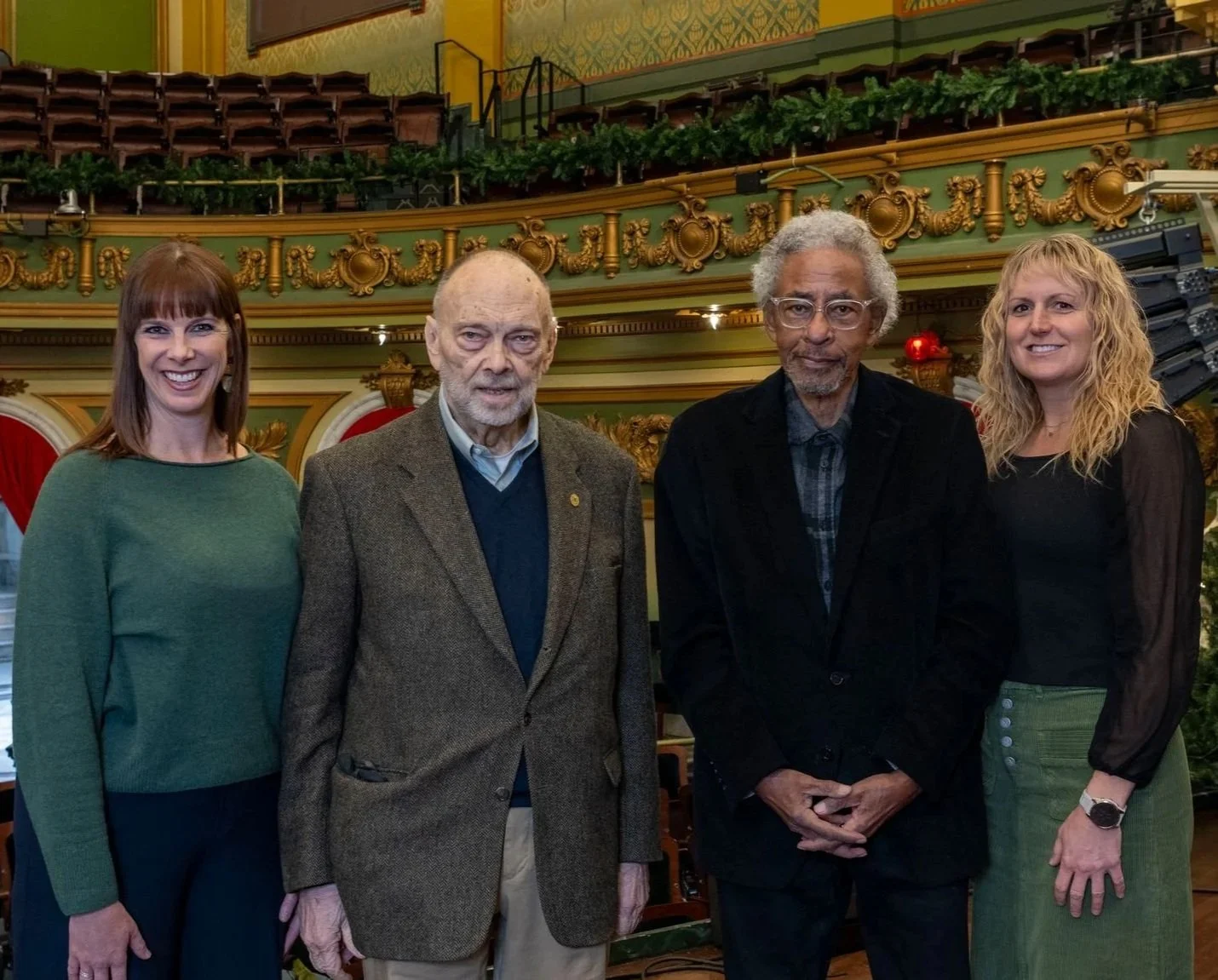
CMHS & LAS Chair Maggie Brennan with Trustees Emeriti Jim Wellinghoff & Melvin Grier and Cori Wolff, Executive Director of the CMHS and LAS

Memorial Hall was built to honor service and strengthen community—so it’s especially fitting to recognize two individuals whose dedication has helped secure its future. After more than a decade of steady guidance and hands-on leadership, Melvin Grier and Jim Wellinghoff are transitioning from active board service to the honorary advisory role of Trustee Emeritus.

Their contributions helped shape Cincinnati Memorial Hall Society (CMHS)’s long-term direction and strengthen our foundation of preservation, programming, and partnerships today.

Jim Wellinghoff

Jim’s connection to Memorial Hall is deeply aligned with the building’s purpose. A Vietnam War veteran, he has brought a perspective rooted in service, responsibility, and commitment.

Throughout his tenure with CMHS, Jim offered strategic guidance informed by decades of civic involvement, including his presidency of the Mercantile Library. Within CMHS, he served as Treasurer and drew on his background in investment management to support financial stewardship and long-range planning.

A defining part of Jim’s legacy is preservation. He helped shape the vision behind Memorial Hall’s Second Century Fund, ensuring long-term care of this treasured venue for generations to come. He contributed to major preservation milestones, including advancing the $1-million Annie W. and Elizabeth M. Anderson Foundation gift tied to the 2015 renovation and naming of the Longworth Anderson Stage. Jim also helped create the philanthropic backbone of the Longworth-Anderson Series, leveraging key relationships such as The George and Margaret McLane Foundation annual matching grant.

Melvin Grier

Melvin has served CMHS with a distinctive Cincinnati lens—one rooted in a career dedicated to documenting the city. A U.S. Air Force veteran, his experience naturally aligns with Memorial Hall’s mission and history.

Over nearly ten years on the board, Melvin became a key voice in shaping CMHS as both a preservation organization and cultural institution. A Greater Cincinnati Journalism Hall of Fame inductee and respected photojournalist, he offered invaluable insight into how Memorial Hall communicates, builds trust, and represents itself to the broader community. His nonprofit work with arts organizations such as FotoFocus helped connect CMHS to Cincinnati’s creative ecosystem.

Melvin’s impact is especially visible in programming. His advocacy helped sustain a vibrant jazz thread within the Longworth-Anderson Series, reflecting Cincinnati’s musical history while welcoming world-class artists. He also encouraged thoughtful board growth and leadership that better reflects the full diversity of our city.

Honoring the past, strengthening the future

Trustee Emeritus is a recognition of service that has meaningfully shaped an organization’s trajectory. We are grateful for Melvin Grier and Jim Wellinghoff—their leadership, their belief in Memorial Hall, and the lasting impact of their work.
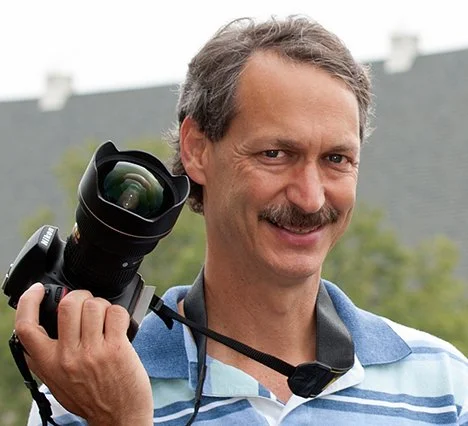
Capturing Legacy: Photographer J. Miles Wolf on His Work with Memorial Hall

When Cincinnati-based photographer J. Miles Wolf was asked to photograph Memorial Hall, it was an opportunity to connect his finely honed craft with a space rich in history, architecture, and emotion.

Miles first discovered photography in college, where a single course set him on a path that would span decades.  In the early years of his career, he traveled extensively—capturing the landscapes of the American Southwest and the charm of European cities.  His work was exhibited in galleries across the country, but eventually, Miles sought to focus closer to home.  Through workshops and collaborative efforts, he refined his ability to photograph architecture with a deep understanding of structure and space.

What sets Miles apart is not just his eye for detail but his process.  For the first 30 years of his career, he developed his own film, meticulously preparing every shot with the precision required before the age of editing software.  Shooting with large-format 4x5 film taught him patience and attention to detail—skills that would become foundational as he worked alongside interior designers and began reverse-engineering spaces to showcase their most striking qualities.  His early focus on art deco architecture fostered a deep appreciation for the intricacies of design, which remains evident in his work today.

Miles' connection to Memorial Hall began when longtime supporter Bill Baumann saw his work displayed at a FotoFocus event and invited him to photograph the building.  For Miles, it was the perfect alignment of opportunity and intention.  He approached the project with a desire to create images that felt both warm and welcoming—photos that could invite newcomers in and also resonate with those who already know and love the Hall.

“I want to make the interior so inviting that people want to go see it,” Miles shared.  “It shows people how beautiful these spaces are.  To see that auditorium is very eye-opening.”

He emphasized the challenge and reward of architectural photography:

“You can’t just go to a location and think you’re gonna get it,” he said.  “It’s not always bright blue skies, with fluffy white clouds.  You’re knocking on doors, climbing on roofs to get the shot—all while balancing the lighting, time of day, and countless other factors.”

Technology has expanded what’s possible.  Miles spoke enthusiastically about how drone photography has opened new creative perspectives, particularly for a building like Memorial Hall.  Even with decades of experience, these tools allow him to rediscover spaces and compose images in ways previously unimaginable.

Looking ahead, Miles is turning his lens toward nature and landscapes, including an upcoming project with the Behringer-Crawford Museum.  While he will always hold a deep connection to architectural subjects, he’s eager to explore storytelling through more personal and environmental imagery.

In all his work, Miles encourages viewers to slow down, look closer, and appreciate the quiet beauty in the details—something Memorial Hall offers in abundance.

—Kyle Fugate